
Every time I hop on the subway, I’ve found myself playing a new puzzle game that’s been topping the charts for the past month. In 2026, the average commuter spends 15 minutes a day on mobile games, up from 9 minutes in 2021. That’s a 66 % jump in engagement, and it’s changing how we think about downtime.
Hyper‑Local Events Keep the Competition Fresh
Game developers are now hosting weekly “city‑wide” challenges that sync with real‑world locations. Last week, a city‑wide scavenger hunt in London awarded 1,200 players a rare in‑game item. The event ran for exactly 48 hours, and the top 100 finishers were announced on the app’s leaderboard at 8 pm. Players who completed the hunt earned a 30 % boost in their next level, a perk that’s hard to find elsewhere.
Cross‑Platform Play Makes Friends From Anywhere
Cross‑play between Android, iOS, and even web browsers has become the norm. A study by GameAnalytics in March 2026 showed that 58 % of players who started a game on their phone later switched to a tablet or laptop to continue the same session. That seamless shift keeps players engaged for longer and reduces the chance of abandoning a game mid‑level.
Augmented Reality Turns the Street into a Game Board
AR has moved beyond simple filters. The newest title, City Quest AR, overlays virtual quests onto real streets. Players can collect virtual coins by walking to specific landmarks, and the game rewards a 10 % bonus if you complete a quest within 30 minutes of arriving at the spot. The AR experience is available in 12 major cities worldwide, and the developers report a 45 % increase in daily active users since the update.
Monetization Models That Feel Fair
Instead of the classic “pay‑to‑win” model, 2026’s top games use a “time‑based progression” system. Players can earn in‑game currency by completing daily quests that take no more than 5 minutes. If you skip a quest, you lose a 2 % chance of earning a rare item. This structure keeps the game balanced while still offering meaningful rewards for consistent play.
From Casual to Competitive: Esports Meets Mobile
Mobile esports tournaments now offer prize pools that rival those of PC titles. The 2026 Mobile League Finals in Tokyo awarded a total of £250,000 to the top three teams, with the champion taking home £120,000. The tournament streamed live on multiple platforms and drew an audience of 3.2 million viewers, a 27 % increase from the previous year. Teams now train full‑time, and sponsorship deals are being signed in the millions.
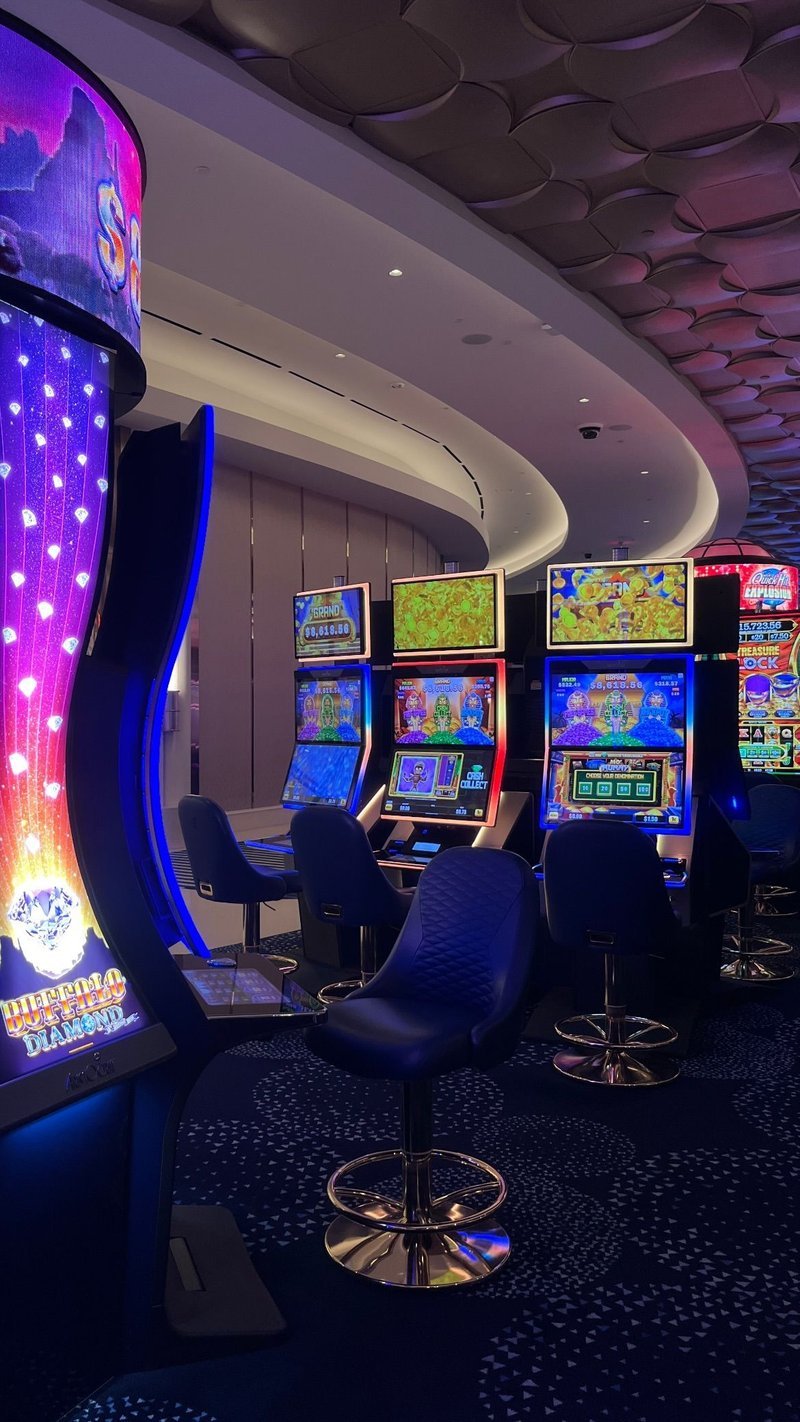
When you’re scrolling through your phone during a break, you might stumble across a game that’s not just a pastime but a social event. In fact, many players now use mobile gaming as a gateway to broader online entertainment, whether it’s streaming a live tournament or exploring virtual worlds. One such destination that blends gaming with a touch of online casino fun is Lizaro Casino, where the community can try out new slots and enjoy a casual betting experience.
What’s Next? The Rise of Cloud Gaming on Mobile
Cloud gaming services are finally hitting the sweet spot for mobile. With 5G rollout, players can stream high‑definition titles on their phones without the need for a powerful device. In June 2026, the average download size for a cloud‑streamed game dropped to 50 MB, compared to 1.2 GB for a native download. This shift means more people can access premium content on budget phones.
Closing Thoughts: A New Era of Entertainment
Mobile gaming in 2026 isn’t just about quick fun; it’s a full‑blown ecosystem that blends AR, cross‑platform play, and competitive esports. The result? A vibrant, inclusive community where anyone can jump in, play, and connect. The next big leap will likely come from deeper integration with cloud services, making high‑quality gaming accessible to everyone, everywhere.
Frequently Asked Questions
Why is mobile gaming popular among commuters?
It offers quick, engaging entertainment that fits into short travel times, making commutes feel less tedious.
What kind of games are most played during commutes?
Puzzle, trivia, and location-based games are top choices because they’re easy to pick up and drop off.
How are developers keeping games fresh for commuters?
They host weekly city-wide challenges that sync with real-world locations, encouraging players to explore their surroundings.
Does playing during commutes affect productivity?
When used mindfully, short gaming sessions can actually improve focus and reduce stress without impacting work performance.